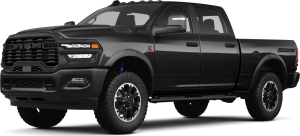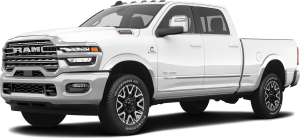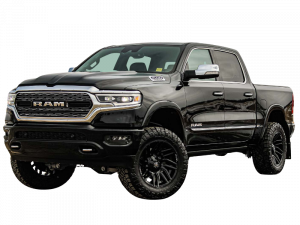
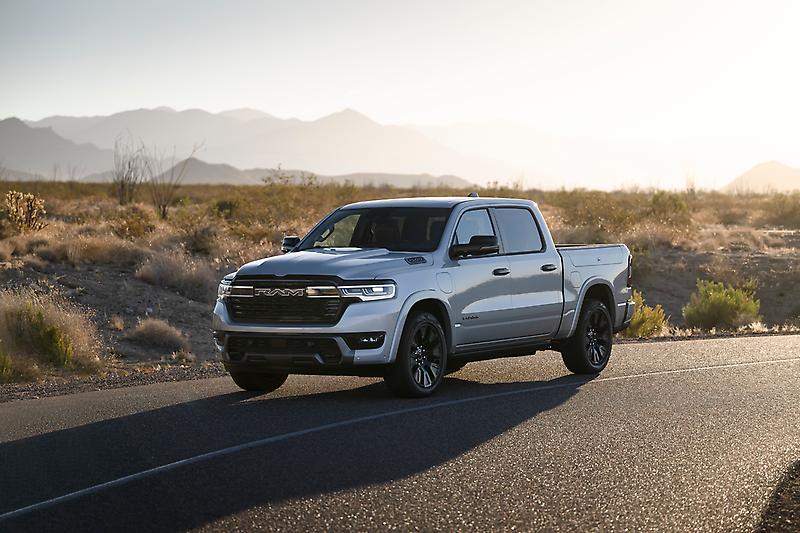
The big news for the 2026 RAM 1500 is that you no longer have to pick a side: the 5.7L HEMI V8 is back in the lineup, and it shares the order sheet with the 3.0L Hurricane twin-turbo straight-six (RAM Canada, 2026). For a Sherwood Park or Edmonton buyer, that means the choice finally comes down to how you actually use your truck, not what the factory will let you order.
So which one belongs in your driveway? This guide breaks down what the HEMI and the Hurricane each do well, what they tow, how they behave on a January cold start, and what they cost to run in Alberta. We sell and service both at Sherwood Dodge, so we have framed this around the questions truck buyers ask us on the lot.
Key Takeaways
- For 2026, RAM offers two very different gas engines in the 1500: the returning 5.7L HEMI V8 and the 3.0L Hurricane twin-turbo inline-six (RAM Canada, 2026).
- The Hurricane makes more power and torque on paper in both Standard Output and High Output forms, while the HEMI is the traditional V8 a lot of Alberta buyers still want (RAM Canada, 2026).
- For heavy, frequent towing to the mountains, the Hurricane High Output is the strongest pick; for simple V8 ownership and the sound, the HEMI still earns its place.
- Both start fine in deep cold with a block heater and the right battery; turbos and V8s each have their own winter quirks worth knowing before you buy.
Watch: How to set up the navigation in your RAM 1500
What Changed for the 2026 RAM 1500 Engine Lineup?
The headline is the HEMI’s return: after the previous redesign moved the 1500 toward the turbocharged Hurricane inline-six, RAM brought the 5.7L HEMI V8 back as an available engine for 2026 (RAM Canada, 2026). That gives buyers a real fork in the road instead of a single default.
Here is why it matters. The Hurricane is a modern, boosted six built for efficiency and big torque, and it is now the volume engine across much of the range. The HEMI is the familiar naturally-aspirated V8 that generations of truck owners grew up on. RAM keeping both alive is unusual in 2026, and it is the main reason 1500 shoppers are asking us “which engine” more than any other question this year.
Beyond the powertrains, the 2026 RAM 1500 carries its proven half-ton formula: available four-wheel drive, a crew-cab body that suits both job sites and family duty, and trim choices from work-ready up to loaded. The engine decision sits on top of all of that.
Browse our new RAM 1500 inventory to see which engines, cabs, and trims are on the ground right now at Sherwood Dodge.
How Do the HEMI and Hurricane Compare on Specs?
The cleanest way to read the two engines: the Hurricane out-muscles the HEMI on paper, especially in High Output trim, while the HEMI counters with V8 character and a simpler, naturally-aspirated design (RAM Canada, 2026). The Hurricane comes in two tunes, which is where a lot of the confusion starts.
Here is the lineup at a glance (RAM Canada, 2026):
| Engine | Configuration | Horsepower | Torque | Best for |
|---|---|---|---|---|
| 5.7L HEMI | Naturally-aspirated V8 eTorque | 395 hp | 410 lb-ft. | V8 sound, simple ownership, traditional feel |
| 3.0L Hurricane SO | Twin-turbo inline-six (Standard Output) | 420 hp | 469 lb-ft | Strong all-around power, better efficiency |
| 3.0L Hurricane HO | Twin-turbo inline-six (High Output) | 540 hp | 521 lb-ft | Maximum power and heavy towing |
The 5.7L HEMI is the engine a lot of long-time RAM owners came back for. It is a naturally-aspirated V8, which means no turbos to heat-soak or maintain, a familiar power delivery, and the exhaust note that no inline-six fully replicates. For a buyer who tows occasionally, drives a lot of straight-ahead highway, and simply wants a V8 truck, the HEMI is an honest, proven choice (RAM Canada, 2026).
The 3.0L Hurricane is the modern answer. It is a twin-turbocharged inline-six that makes its torque low and early, which is exactly what you want under load. In Standard Output it already matches or beats the HEMI on both horsepower and torque; in High Output it climbs to 540 horsepower and 521 lb-ft, territory the V8 cannot reach (RAM Canada, 2026). The trade is added complexity: turbos, intercooling, and more parts in the system.
Which one is right for most buyers? If you want the most capability and you tow heavy or often, the Hurricane, especially the High Output, is the stronger engine on paper. If you value simplicity, the V8 sound, and a powertrain you already understand, the HEMI is a legitimate pick that RAM deliberately brought back.
Which RAM 1500 Engine Is Better for Towing?
For frequent, heavy towing, the Hurricane High Output is the strongest 1500 engine, with the best reported maximum towing of the gas lineup; the HEMI and the Standard Output Hurricane still cover most real-world trailers comfortably (RAM Canada, 2026). For an Alberta buyer, the question is less “what is the ceiling” and more “what matches my trailer.”
Why the Hurricane shines when towing. A twin-turbo engine makes peak torque low in the rev range, so it pulls hard from a stop and holds speed up a grade without downshifting and screaming. On the long climbs heading west into the Rockies, that low-end torque is exactly what reduces the drama of towing a loaded trailer. The High Output version simply has more of everything.
The HEMI is no slouch here. A naturally-aspirated V8 tows predictably and has decades of proven service behind it, which matters to buyers who want fewer systems to think about. For a half-ton boat, a mid-size travel trailer, or a sled deck up to the foothills, a properly-equipped HEMI 1500 handles the job.
A practical note from our side of the lot: towing capacity changes with cab, axle ratio, and equipment, so the number on a spec sheet is not automatically the number on the truck you are looking at. If you tow regularly, tell us the weight of your trailer and we will match you to the right engine and axle, then confirm the rating on that specific build. Our Edmonton-area RAM dealer team does this every week.
Which Engine Handles Alberta Winters and Cold Starts Better?
Both engines start reliably in an Alberta winter when they are set up right, but they get there differently: the HEMI is a simple V8 that has handled prairie cold for years, while the Hurricane is a modern turbo engine that benefits from the same cold-weather habits any forced-induction truck does (RAM Canada, 2026). Neither is a bad cold-weather choice.
For the HEMI, the story is familiar. It is a naturally-aspirated V8 with a long track record in Canadian winters, and our service team has seen plenty of them shrug off −30 °C mornings with a healthy battery and a plugged-in block heater. There are simply fewer systems involved, which some Alberta buyers value when the temperature drops.
For the Hurricane, the turbos are not a winter liability, but a couple of habits help. Letting a turbo engine warm up briefly before hard driving, and giving it a moment to settle after a heavy tow, are good practice in any climate and especially in deep cold. A block heater is still the single best thing you can do below roughly −20 °C, and it helps both engines start easier and warm faster.
The honest bottom line on winter: tire choice and a block heater matter more than which engine you pick. Four-wheel drive helps you go, but dedicated winter tires are what help you stop on Anthony Henday Drive in February. Budget for a proper winter set no matter which engine ends up in your 1500.
Which RAM 1500 Engine Is Cheaper to Run in Alberta?
On fuel, the Hurricane is built to be the more efficient engine of the two, using turbocharging to make big power from a smaller displacement, while the V8 HEMI generally asks for more at the pump, especially when towing (RAM Canada, 2026). With Alberta fuel prices where they are, that gap adds up over a year of driving.
How big is the difference in real life? That depends entirely on how you drive. A buyer doing long unloaded highway commutes will see the Hurricane’s efficiency advantage most clearly, while heavy towing narrows the field because both engines work hard under load. For an oil-patch or fleet operator putting on serious annual mileage, even a few litres per hundred kilometres compounds into a meaningful number across a year.
There is a second cost worth naming honestly: complexity. The HEMI’s naturally-aspirated design has fewer parts that can wear, while the Hurricane’s turbos and intercooling add systems to maintain over the long haul. Neither is fragile, but a buyer keeping a truck for a decade and 300,000 kilometres should weigh simplicity against fuel savings, not just the sticker. That is a real trade-off, not a marketing line.
For the fuel and maintenance picture on a specific build, talk to us. We can line up running-cost expectations against how you actually drive, then point you at the engine that fits.
So Which RAM 1500 Engine Should You Pick?
The short version: choose the Hurricane if capability and efficiency lead your list, and choose the HEMI if V8 character and mechanical simplicity matter more to you (RAM Canada, 2026). Both are legitimate, which is exactly why RAM offers both for 2026.
Here is how we sort it on the lot:
- Tow heavy or often, want maximum power? The Hurricane High Output is the strongest pick, with the best power of the gas lineup at 540 hp (RAM Canada, 2026) and the highest reported gas towing.
- Want strong all-around power with better fuel economy? The Hurricane Standard Output is the balanced choice for most daily drivers who still tow sometimes.
- Want a traditional V8, the sound, and a simpler engine to own? The 5.7L HEMI is back for exactly this buyer, and it still does the job.
Honestly, the best way to decide is to drive both. The Hurricane’s low-end torque and the HEMI’s V8 character feel different from the driver’s seat, and that feel matters as much as any spec. Our team serving Edmonton and Sherwood Park can set up a HEMI and a Hurricane back to back so you feel the difference before you commit.
How Much Does a 2026 RAM 1500 Cost in Alberta?
The 2026 RAM 1500 lineup spans a wide range, from the value work-truck configurations up through loaded trims, and engine choice is one of the inputs that moves the price (RAM Canada, 2026). Because every truck on the lot is built differently, the most accurate number is the live MSRP on the exact unit you want.
A few things worth knowing about RAM 1500 pricing in Alberta:
- Engine and trim both move the price. The Hurricane High Output and the loaded trims sit above the work-ready, Standard Output builds, so the engine you pick is part of the cost conversation.
- Freight, PDI, and fees are on top of the advertised vehicle price, as with any new truck.
- In-stock often beats a factory order on timing and current incentives. The units already on our lot carry this week’s offers, and RAM Canada’s programs change month to month.
Because pricing, inventory, and incentives move week to week, the honest answer to “what will mine cost out the door” is a quick conversation on a specific truck. See current RAM 1500 inventory and pricing here, or talk to our team for an exact, all-in number with your trade factored in.
Frequently Asked Questions
Does the 2026 RAM 1500 still come with a HEMI V8?
Yes. RAM brought the 5.7L HEMI V8 back as an available engine for the 2026 RAM 1500, alongside the 3.0L Hurricane twin-turbo inline-six (RAM Canada, 2026). After the previous redesign leaned toward the turbocharged six, the V8’s return gives buyers a real choice again. Confirm exact trim eligibility on the specific truck you want.
What is the difference between the RAM 1500 HEMI and Hurricane engines?
The HEMI is a naturally-aspirated 5.7L V8, valued for its sound, simplicity, and long track record. The Hurricane is a 3.0L twin-turbocharged inline-six that comes in Standard Output and High Output tunes, both of which generally out-muscle the HEMI on paper while using turbocharging for better efficiency (RAM Canada, 2026).
Which RAM 1500 engine is best for towing in Alberta?
For heavy or frequent towing, the Hurricane High Output is the strongest gas engine in the 2026 lineup, thanks to high low-end torque that pulls well up grades toward the mountains. The HEMI and Standard Output Hurricane still handle most half-ton trailers comfortably. Actual towing capacity depends on cab, axle, and equipment, so confirm it on the specific build.
Which RAM 1500 engine is more fuel efficient?
The 3.0L Hurricane is built to be the more efficient engine, using turbocharging to make big power from smaller displacement, so it typically uses less fuel than the V8 HEMI, especially in unloaded highway driving (RAM Canada, 2026). Heavy towing narrows the gap because both engines work hard under load. Confirm exact L/100 km figures on the current Fuel Consumption Guide.
Do both RAM 1500 engines start well in Alberta winters?
Yes. Both the HEMI and the Hurricane start reliably in deep cold with a healthy battery and a plugged-in block heater, which we recommend below roughly −20 °C. The HEMI is a simple V8 with a long prairie-winter track record; the Hurricane is a modern turbo engine that benefits from a brief warm-up. Dedicated winter tires matter more than engine choice for traction.