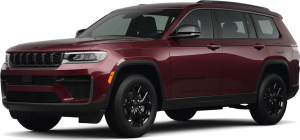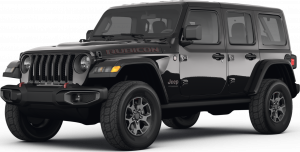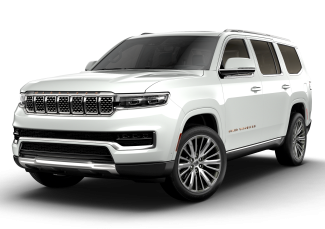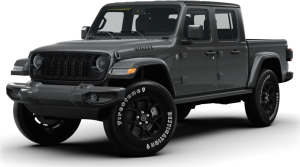
Connect with us!

09-15-26

What Is Stellantis? The Brands Behind Dodge, Jeep, RAM and Chrysler

Stellantis formed 16 January 2021 from the Fiat Chrysler and Groupe PSA merger. It owns 14 brands, including Chrysler, Dodge, Jeep and Ram.
Read More
CATEGORIES »
TAGS »

08-08-26

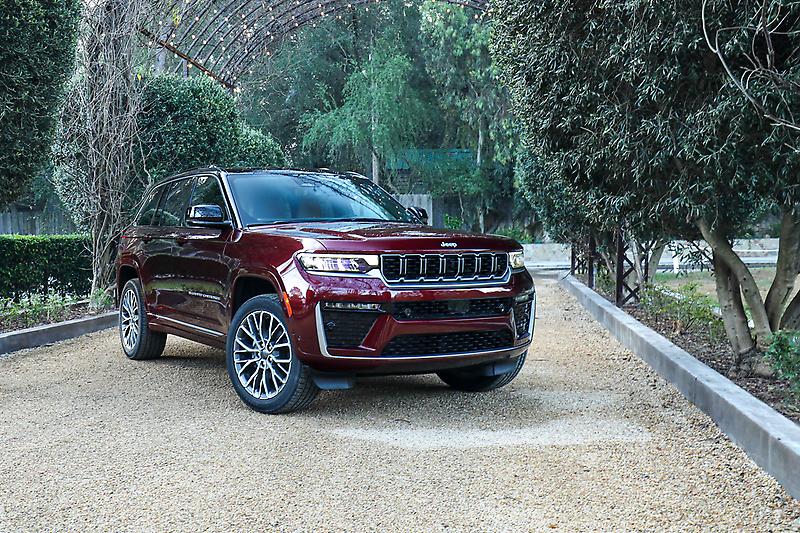
2026 Jeep Grand Cherokee: Full Overview, Trims & Specs

The 2026 Jeep Grand Cherokee is the model that defines the brand for a lot of Alberta families: a midsize SUV with real 4x4 capability, a clear trim lineup, and now a plug-in hybrid option for the daily commute. It runs from the value Laredo up to the leather-lined Summit, and it comes two ways, the standard two-row Grand Cherokee and the longer three-row Grand Cherokee L (Jeep Canada, 2026).

For a Sherwood Park or Edmonton buyer, the Grand Cherokee covers a wide spread of needs from one nameplate. This guide breaks down every 2026 trim, what each powertrain actually does, how the 4xe plug-in hybrid behaves in an Alberta winter, and the real difference between the two-row Grand Cherokee and the three-row L, so you can match the right one to your driveway.

Key Takeaways
- The 2026 lineup is three core trims, Laredo, Limited, and Summit, plus the 4xe plug-in hybrid, and a new 2.0L Hurricane turbo (324 hp) is now the primary engine (Jeep Canada, 2026).
- The standard Grand Cherokee is a 2-row, 5-seat SUV; the Grand Cherokee L is the 3-row with seating for up to six or seven (Jeep Canada, 2026).
- The 4xe is a plug-in hybrid (PHEV) that can drive on electricity alone for short trips, then runs on gas with no range anxiety.
- Available 4x4 with low range and air suspension on higher trims makes the Grand Cherokee genuinely capable for Alberta winters and the drive to the lake.

What’s New for the 2026 Jeep Grand Cherokee?

The headline change for 2026 is under the hood: a new 2.0L Hurricane turbocharged four-cylinder, rated at 324 hp and 332 lb-ft, becomes the primary engine across most of the lineup, with the 3.6L Pentastar V6 held over on the base Laredo (Jeep Canada, 2026). The rest of the formula carries forward: three core trims (Laredo, Limited, and Summit), the two-row Grand Cherokee, the three-row Grand Cherokee L, and the 4xe plug-in hybrid.

The headline for most shoppers is choice. Few midsize SUVs let you pick between a two-row family hauler, a three-row version of the same vehicle, a rugged off-road build, and a plug-in hybrid, all under one badge. That breadth is the reason the Grand Cherokee stays on so many Edmonton-area shopping lists year after year.

Beyond the lineup, the 2026 Grand Cherokee keeps the formula that works for Alberta households: available 4x4 on every trim, a comfortable highway ride, and the kind of cold-weather hardware that matters here. Cabin tech, available air suspension, and trim packaging carry over with the usual model-year updates.

Browse our in-stock Jeep Grand Cherokee inventory to see which trims and colours are on the ground right now at Sherwood Dodge.

What Are the 2026 Grand Cherokee Trims and Engines?

The 2026 Grand Cherokee offers three core trims, the value Laredo, the mainstream Limited, and the top Summit, plus the 4xe plug-in hybrid, and a new 2.0L Hurricane turbo four (324 hp) is now the primary engine across most of the lineup (Jeep Canada, 2026). Each trim shares the same midsize body, so the choice comes down to how much capability, luxury, and electrification you actually want.

Here is the lineup at a glance:

TrimPositionPowertrainDriveBest for
LaredoValue entry3.6L Pentastar V64x4 availableLowest entry price, simple ownership
LimitedMainstream2.0L Hurricane turbo (324 hp / 332 lb-ft)4x4 availableAdded comfort and feature content
SummitTop luxury2.0L Hurricane turbo (324 hp / 332 lb-ft)4x4 availableLeather, tech, top-tier comfort
4xePlug-in hybrid2.0L turbo + electric (PHEV), 375 hp / 470 lb-ft4x4Electric daily commuting + gas backup

The gas engines. The base Laredo runs the proven 3.6L Pentastar V6 , while the new 2.0L Hurricane turbocharged four-cylinder, rated at 324 hp and 332 lb-ft, is the primary engine on the Limited and Summit (Jeep Canada, 2026). Climbing the ladder mainly adds comfort, technology, and luxury hardware rather than changing capability. Laredo is the value play, Summit is the leather-and-tech flagship, and Limited sits in between with the comfort and feature content most buyers want.

The 4xe is the more interesting story. It is a plug-in hybrid that pairs a turbocharged four-cylinder with electric motors and a battery you can charge at home, making 375 horsepower combined and rated for roughly 42 km of electric-only driving (Jeep Canada, 2026). On a full charge it drives on electricity alone for short trips, then runs as a hybrid on gas for longer drives, so you get EV-style daily efficiency without range anxiety. Buyers who want more trail capability can also get the 4xe in an off-road Trailhawk trim (Jeep Canada, 2026).

Which trim is right for most Alberta buyers? For a typical Sherwood Park or Edmonton family, a Limited with 4x4 covers winter capability and comfort without the top-trim Summit price. If your driving is mostly short, predictable trips and you can plug in at home, the 4xe is worth a serious look.

How Much Does a 2026 Jeep Grand Cherokee Cost in Alberta?

The Grand Cherokee starts with the value Laredo trim and climbs through Limited to the top Summit, with the 4xe plug-in hybrid positioned as a separate step in the lineup (Jeep Canada, 2026).

A few things worth knowing about Grand Cherokee pricing in Alberta:

  • The 4xe plug-in may qualify for incentives that the gas-only trims do not. PHEV eligibility changes, so it is worth confirming what applies the week you buy.
  • The three-row Grand Cherokee L typically carries a step up from the two-row at a comparable trim, since you are paying for the added length and seating.
  • Freight, PDI, and fees are on top of the advertised vehicle price, as with any new vehicle.
  • In-stock often beats a factory order on timing and incentives, the units already on our lot carry the current offers.

Because pricing, inventory, and incentives move week to week, the honest answer to “what will mine cost out the door” is a quick conversation on a specific vehicle. See current Grand Cherokee inventory and pricing here, or talk to our team for an exact, all-in number.

Grand Cherokee vs Grand Cherokee L: Which One Do You Need?

The difference is rows of seating: the standard Grand Cherokee is a two-row, five-seat SUV, while the Grand Cherokee L is the three-row version with seating for up to six or seven, depending on configuration (Jeep Canada, 2026). Same nameplate, same capability, different footprint inside.

Choose the two-row Grand Cherokee if you carry up to five people and want the most cargo room behind the back seat. With no third row to package, the standard model gives you a deeper, more usable rear cargo area, ideal for the weekly haul, the dog, and the gear for a weekend at the lake.

Choose the Grand Cherokee L if you regularly seat six or seven, or want flexible third-row space for kids and guests. The L is longer, so the third row is genuinely usable rather than an afterthought, and you can fold it flat when you need cargo room instead. For a growing Sherwood Park family, the L can replace a minivan without giving up 4x4 capability.

Both share the same powertrains and the same Alberta-friendly 4x4 hardware, so the decision is really about how many seats you need and how much cargo you want behind them. Not sure which fits your driveway and your family? Our team serving Edmonton and Sherwood Park can park a two-row and an L side by side so you can see the difference for yourself.

What Is the Grand Cherokee 4xe Plug-In Hybrid?

The 4xe is the plug-in hybrid (PHEV) Grand Cherokee: it pairs a turbocharged four-cylinder with electric motors and a battery you charge at home, so it can drive on electricity alone for short trips (about 42 km of electric-only range) before the gas engine takes over, and makes 375 horsepower combined (Jeep Canada, 2026). You get EV-style efficiency for daily use with a gas tank behind it for everything else.

Here is how it works in practice for an Edmonton-area driver. On a full overnight charge, short trips like the school run, the commute, or errands around Sherwood Park can run on electricity alone. When the battery is depleted or you head out on the highway, the gas engine and the hybrid system take over automatically, so there is no planning around charging and no range anxiety the way a full EV demands.

What about the 4xe in the cold?

This is the question Edmonton buyers ask most, and it deserves a straight answer: yes, the 4xe’s electric-only range drops in deep cold. Cold batteries hold less usable charge, and cabin heat draws from the battery, so the electric range you see at minus 25 degrees Celsius will be lower than the roughly 42 km rating (this is true of every EV and PHEV, not just the Grand Cherokee).

The important part: on the 4xe, that is an inconvenience, not a problem. When the battery is low or cold, the gas engine simply runs, so you are never stranded and you never have to plan around charging. You get the fuel savings on the mild days and the milder months, and a normal, capable 4x4 SUV on the worst January mornings. For a lot of Alberta drivers who can plug in at home, that hybrid-with-a-backup setup is the sweet spot.

Is the 2026 Grand Cherokee Good in Alberta Winters?

Yes. With available 4x4 on every trim and proper winter tires, the Grand Cherokee is well suited to Alberta conditions (Jeep Canada, 2026). Higher trims add 4x4 systems with low-range gearing and available air suspension that can raise ride height, which helps in deep snow and on rough approaches the way few midsize SUVs can match.

4x4 matters in our climate. Sherwood Park, Edmonton, and the surrounding communities see months of packed snow, freezing rain, and the kind of cold that tests every vehicle. The Grand Cherokee’s 4x4 sends power to all four wheels when grip drops, which helps on unplowed residential streets, icy highway on-ramps, and the gravel approach to a winter cabin alike.

Two practical notes from our service team. First, budget for a dedicated set of winter tires no matter which trim you buy, because 4x4 helps you go but winter tires help you stop. Second, a block heater is worth using when overnight lows drop below roughly minus 20 degrees Celsius, which protects the engine and improves cold starts. The 4xe owner gets a bonus here: preconditioning the cabin while it is still plugged in means a warmer start without draining the battery.

For towing the trailer or the boat to the lake, the Grand Cherokee is rated to pull up to 6,200 lb (2,812 kg) when properly equipped, enough for many travel trailers, utility trailers, and small boats (Jeep Canada, 2026). For heavier towing, that is truck territory.

Which 2026 Grand Cherokee Trim Should Most Buyers Get?

For most Alberta families, a Limited with 4x4 is the practical sweet spot: it pairs winter capability and a comfortable, well-equipped cabin without the top-trim Summit price (Jeep Canada, 2026). The Laredo remains the value entry point, and the 4xe is the pick if you can plug in at home and want to cut your fuel bill.

Here is the short version by buyer:

  • Want value and winter capability? Start with the Laredo or Limited with 4x4.
  • Want top-tier comfort and tech? The Summit is the flagship.
  • Need three rows? Step up to the Grand Cherokee L.
  • Can plug in at home? The 4xe plug-in hybrid can take a real bite out of your monthly fuel cost.

The best way to choose is to drive a couple side by side. Our team serving Edmonton and Sherwood Park can line up a V6 trim and a 4xe, or a two-row and an L, so you can feel the difference before you decide.

Frequently Asked Questions

What’s the difference between the Grand Cherokee and Grand Cherokee L?
The standard Grand Cherokee is a two-row, five-seat SUV, while the Grand Cherokee L is the three-row version with seating for up to six or seven (Jeep Canada, 2026). They share the same powertrains and 4x4 capability; the L is longer with a usable third row, and the two-row offers more cargo space behind the back seat.

What is the Grand Cherokee 4xe?
The 4xe is the plug-in hybrid Grand Cherokee. It pairs a turbocharged four-cylinder with electric motors and a chargeable battery, so it can drive on electricity alone for short trips before the gas engine takes over (Jeep Canada, 2026). You get EV-style daily efficiency with a gas tank behind it, so there is no range anxiety.

What are the 2026 Grand Cherokee trims?
The 2026 lineup has three core trims, the value Laredo, the mainstream Limited, and the top Summit, plus the 4xe plug-in hybrid as a separate step (Jeep Canada, 2026). A new 2.0L Hurricane turbo four is now the primary engine, while the 3.6L V6 stays on the base Laredo. Available 4x4 spans the lineup.

Is the Jeep Grand Cherokee good for Alberta winters?
Yes. Every 2026 Grand Cherokee offers available 4x4, and higher trims add low-range gearing and available air suspension for deep snow and rough approaches (Jeep Canada, 2026). Pair it with dedicated winter tires, since 4x4 helps you go but winter tires help you stop, and use a block heater in deep cold snaps.

How much does a 2026 Jeep Grand Cherokee cost in Alberta?
Pricing depends on trim, the two-row versus three-row L, and current incentives. The Laredo is the value entry point and the trims climb to the top Summit, with freight, PDI, and fees additional. See current Grand Cherokee inventory for live pricing, or contact us for an exact out-the-door figure on a specific vehicle.
Sources

Read More
CATEGORIES »
TAGS »

08-01-26

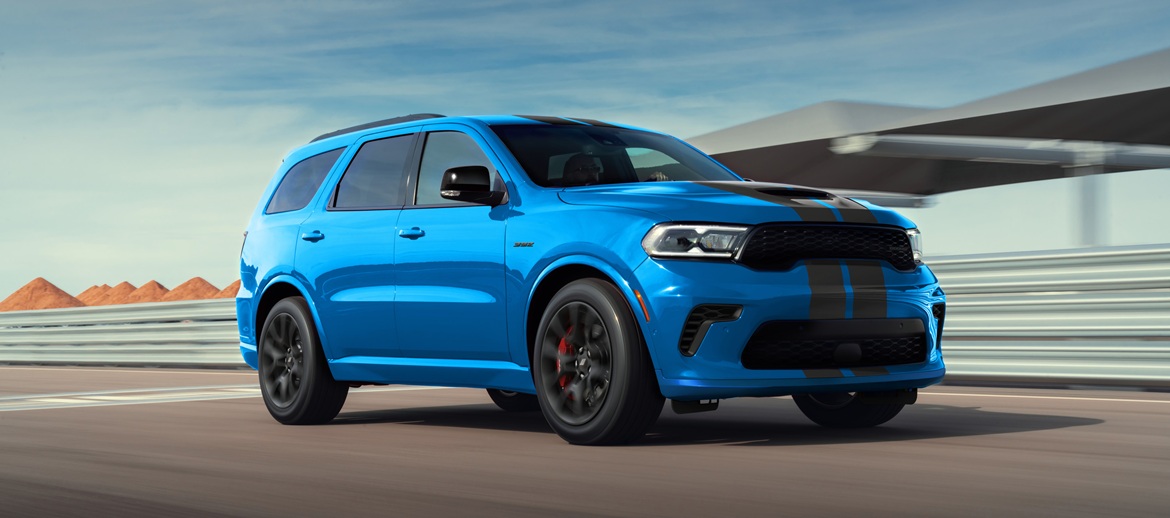
Jeep Grand Cherokee vs Dodge Durango: 3-Row Family SUV Showdown

If you’re shopping for a three-row family SUV and you’ve landed on the Jeep Grand Cherokee and the Dodge Durango, the first thing to get straight is seating. The Durango seats seven in three rows on its GT and GT HEMI trims, while the base SXT is a five-seat, two-row model (Dodge Canada, 2026). The Jeep Grand Cherokee splits by body instead: the regular Grand Cherokee is a two-row, five-seat SUV, and the three-row version is the longer Grand Cherokee L (Jeep Canada, 2026).

So for a fair “three-row family” comparison, this guide lines up the Grand Cherokee L against the Durango, because those are the two that actually seat the whole family. Both are built by Stellantis, both offer serious winter traction, and both can tow a trailer to the lake. This guide breaks down seating and space, towing and capability, engines and winter grip, price and value, and finally which one fits your family. Each section opens with a short answer for Sherwood Park and Edmonton buyers.

Key Takeaways
- The standard Jeep Grand Cherokee is a two-row, five-seat SUV; the three-row version is the longer Grand Cherokee L (Jeep Canada, 2026). For three rows, compare the Grand Cherokee L, not the base Grand Cherokee.
- The Dodge Durango seats seven in three rows on the GT and GT HEMI trims (the base SXT is a five-seat, two-row model) and is the towing leader of the two, rated up to 8,700 lb (3,946 kg) with the available HEMI V8 and Tow ‘n Go package (Dodge Canada, 2026).
- Both offer all-wheel drive or 4x4, which matters more in Alberta than almost anywhere in Canada, and both suit winter, towing, and mountain road trips.
- The Grand Cherokee L leans more refined and trail-capable; the Durango leans more muscular and tow-focused. Your use case decides the winner.

How Do the Grand Cherokee and Durango Differ?

The clearest difference between these two is body and seating: the Durango is a three-row, seven-seat SUV on the GT and GT HEMI trims (the base SXT is a five-seat, two-row model), while the Jeep splits into a two-row Grand Cherokee and a three-row Grand Cherokee L (Jeep Canada, 2026; Dodge Canada, 2026). That single fact reshapes the whole comparison, so it’s worth saying again up front.

The Grand Cherokee is Jeep’s flagship mid-size SUV. In standard two-row form it seats five and emphasizes a premium cabin, advanced 4x4 systems, and available air suspension. The Grand Cherokee L stretches the wheelbase to add a usable third row, giving you Jeep refinement with six or seven seats (Jeep Canada, 2026).

The Durango takes a different path. On the GT and GT HEMI trims it’s a three-row, seven-seat SUV, with a tougher, more performance-minded character and the broadest V8 lineup in the class. Where the Jeep feels like a refined trail-and-road SUV, the Durango feels like a muscle car that happens to seat seven. Both are great Alberta family vehicles, but they aim at slightly different drivers.

Browse our Jeep Grand Cherokee inventory and our Dodge Durango inventory to see which trims and colours are on the ground right now at Sherwood Dodge.

How Do Seating and Cargo Space Compare?

For three rows, the matchup is the Grand Cherokee L versus the Durango, since the standard Grand Cherokee is two-row only (Jeep Canada, 2026). The Grand Cherokee L seats six, or seven in the L Altitude trim (Jeep Canada, 2026), and the Durango seats seven on its GT and GT HEMI trims (Dodge Canada, 2026). Both give you a flat-folding setup for hauling gear. The real differences show up in cargo room and third-row usability.

Here’s how the two three-row options line up:

SpecJeep Grand Cherokee LDodge Durango
Standard rows / seats3 rows / up to 73 rows / 7 (GT and GT HEMI trims); base SXT: 2 rows / 5
Base Grand Cherokee (note)2 rows / 5 seatsn/a
Max cargo (seats folded)≈2,396 L (84.6 cu ft)2,409 L (85.1 cu ft)
CharacterRefined, trail-capableMuscular, tow-focused

One more time, because it matters at the dealership: if you only need two rows and five seats, the standard Grand Cherokee is a strong, more compact choice. The moment you need that third row, you’re looking at the Grand Cherokee L or the Durango. Don’t assume the base Grand Cherokee will fit a third row, because it won’t.

For families who regularly carry six or seven, both three-row options work. Buyers who load bikes, hockey bags, and luggage for a mountain trip should sit in the third row and load the cargo area in person, since that’s where the day-to-day difference is felt.

Which One Tows More for Alberta Families?

The Durango is the towing leader of the two: its available HEMI V8 with the Tow ‘n Go package is rated up to 8,700 lb (3,946 kg), well above the Grand Cherokee’s maximum of 6,200 lb (2,812 kg), while the Jeep counters with strong-but-lighter ratings tuned for its more refined setup (Dodge Canada, 2026; Jeep Canada, 2026). For Alberta buyers towing a trailer or boat, this is often the deciding spec.

The Durango’s V8 trims, fitted with the Tow ‘n Go package, post some of the highest tow ratings in the three-row segment, up to 8,700 lb (3,946 kg) (Dodge Canada, 2026). That covers most travel trailers, utility trailers, and a loaded enclosed trailer. If you’re pulling a fishing boat to Pigeon Lake or a sled trailer toward the foothills, the HEMI Durango handles it without drama.

The Grand Cherokee L tows a respectable load too with the right tow package, but its ceiling of up to 6,200 lb (2,812 kg) sits below the V8 Durango (Jeep Canada, 2026). For lighter trailers, popup campers, and small boats, it’s plenty. If your towing is occasional and modest, the Jeep’s rating likely covers it while giving you a more car-like ride the rest of the time.

If you tow regularly, ask us about the right package on each model. Our team serving Edmonton and Sherwood Park can match the trailer you actually own to the trim and tow setup that fits, instead of guessing from a brochure.

How Do the Engines and Winter Traction Compare?

Both SUVs offer all-wheel drive or 4x4 across the range, which is the single most important trait for Alberta winters, and both back it with strong engine choices, from efficient V6s to the Durango’s available HEMI V8 (Dodge Canada, 2026; Jeep Canada, 2026). In our climate, that traction matters more than horsepower.

The Grand Cherokee L leans into Jeep’s 4x4 heritage. Depending on trim, it offers selectable 4x4 systems and available air suspension that raises ride height for deep snow or rough approaches. That’s a genuine edge if your winter includes unplowed back roads, a cabin driveway, or a ski-hill parking lot that never gets graded.

The Durango answers with available all-wheel drive on every trim and a broader V8 menu, including HEMI options the Jeep doesn’t offer in this body. Its AWD system sends power where grip exists, which helps on icy on-ramps and packed-snow side streets around Sherwood Park and Edmonton alike.

Two practical notes from our service team. First, budget for a dedicated set of winter tires on either SUV, because AWD and 4x4 help you go, but winter tires help you stop. Second, a block heater is worth using when overnight lows drop below roughly minus 20 C, on both models.

How Do Price and Value Compare?

Both line up as premium mid-size SUVs, and as a general rule the three-row Grand Cherokee L and the Durango start above the two-row base Grand Cherokee, with final pricing shaped by trim, engine, and current incentives (Jeep Canada, 2026; Dodge Canada, 2026). Because real-world pricing moves week to week, we don’t quote a specific figure here.

A few things worth knowing about pricing in Alberta:

  • The standard Grand Cherokee is the lower entry point of the Jeep lineup, but it’s the two-row model. Stepping to the three-row Grand Cherokee L raises the starting price.
  • Durango pricing climbs with the engine, from the V6 up through the HEMI V8 trims, as you’d expect.
  • Freight, PDI, and fees are on top of the advertised vehicle price, as with any new vehicle.
  • In-stock often beats a factory order on timing and incentives, since the units already on our lot carry the current offers.

Because pricing, inventory, and incentives change constantly, the honest answer to “what will mine cost out the door” is a quick conversation on a specific vehicle. See current Grand Cherokee inventory or current Durango inventory, or talk to our team for an exact, all-in number.

Which One Fits Your Family?

The short version: pick the Durango if towing and three-row muscle top your list, and pick the Grand Cherokee L if you want three rows wrapped in Jeep refinement and trail capability (Dodge Canada, 2026; Jeep Canada, 2026). Both are excellent Alberta family SUVs, so this is about fit, not a loser.

Here’s how we’d guide it on the lot:

  • You tow a heavier trailer or boat? Lean Durango, especially a HEMI V8 with the tow package.
  • You want three rows plus a premium, trail-ready cabin? Lean Grand Cherokee L, ideally with the 4x4 and air-suspension options.
  • You only need two rows and five seats? The standard Grand Cherokee is the more compact, lower-cost pick, just remember it’s two-row.
  • Winter capability is the priority? Both deliver with AWD or 4x4 plus proper winter tires, so let towing and seating break the tie.

The best way to choose is to drive them back to back. Our team serving Edmonton and Sherwood Park can line up a Grand Cherokee L and a Durango side by side so you can compare the third row, the cargo area, and the feel of each before you decide.

Frequently Asked Questions

Does the Grand Cherokee have three rows?
Not in standard form. The regular Jeep Grand Cherokee is a two-row, five-seat SUV. The three-row version is the longer Grand Cherokee L, which adds a usable third row for up to seven passengers (Jeep Canada, 2026). If you need three rows from the Jeep lineup, look at the Grand Cherokee L, not the base Grand Cherokee.

Is the Dodge Durango or Jeep Grand Cherokee better for towing?
The Durango is the towing leader of the two, with available HEMI V8 models rated above what the Grand Cherokee L can pull (Dodge Canada, 2026). The Grand Cherokee L still tows a respectable load for lighter trailers and small boats, but its ceiling sits below the V8 Durango. For heavier trailers, the Durango is the stronger choice.

Which is better for Alberta winters, the Grand Cherokee or the Durango?
Both are well suited to Alberta winters. Each offers all-wheel drive or 4x4 across the range, and the Grand Cherokee L adds available air suspension for extra ground clearance. Whichever you choose, dedicated winter tires are the single best upgrade for cold-weather traction, since AWD helps you go but winter tires help you stop.

How many seats does the Dodge Durango have?
Five or seven, depending on the trim. The 2026 Durango GT and GT HEMI trims seat seven across three rows, while the base SXT is a five-seat, two-row model with a second-row bench (Dodge Canada, 2026). The SRT Hellcat Jailbreak is also listed with five seats. For a third row, choose a GT or GT HEMI trim.

Should I buy a Grand Cherokee L or a Durango for my family?
It depends on your priorities. Choose the Durango for maximum towing and three-row muscle, or the Grand Cherokee L for three rows with Jeep refinement and trail capability. If you only need two rows, the standard Grand Cherokee is a more compact, lower-cost option. The best test is driving them back to back at the dealership.

Sources

Read More
CATEGORIES »
TAGS »

07-29-26

2026 Dodge Charger: What’s New for Alberta Buyers

The 2026 Dodge Charger is the biggest reinvention the nameplate has seen in a generation. Dodge redesigned the car from the ground up and now offers it two completely different ways: the all-electric Charger Daytona and a gas Charger powered by a twin-turbocharged “Sixpack” inline-six, in both two-door coupe and four-door sedan body styles (Dodge Canada, 2026).

For a Sherwood Park or Edmonton buyer, that’s a lot to unpack, and a lot of it is genuinely new. This guide breaks down what changed, how the gas Sixpack and the electric Daytona actually differ, the two-door versus four-door question, and the honest story on EV range and charging through an Alberta winter. We’ve framed it around the questions local shoppers are bringing to us on the lot.

Key Takeaways
- The 2026 Charger is offered two ways: the all-electric Daytona and a gas Charger with the twin-turbo Sixpack inline-six (Dodge Canada, 2026).
- It comes in two-door coupe and four-door sedan body styles, a first for the modern Charger.
- All-wheel drive comes standard across the lineup (Dodge Canada, 2026), which matters more in Alberta than almost anywhere in Canada.
- The Daytona EV’s usable range drops in deep cold, like every EV. The gas Sixpack avoids that trade-off entirely.

What’s New for the 2026 Dodge Charger?

The headline is the complete redesign: the 2026 Charger is a clean-sheet car offered as both the electric Daytona and a gas model with the twin-turbo Sixpack inline-six, and it returns in two-door and four-door body styles (Dodge Canada, 2026). That dual-powertrain approach is what makes this Charger different from anything that wore the badge before.

Why does that matter to an Alberta buyer? Because you no longer have to choose between the Charger’s character and the powertrain you want. If you’re ready for an EV, the Daytona is a purpose-built electric muscle car. If you’re not, the gas Sixpack keeps a traditional engine under the hood with the convenience of fuelling up anywhere. Same nameplate, two very different ownership stories.

The rest of the package, the styling, the interior tech, and the standard all-wheel drive, is built around that choice. We’re keeping specific output and range numbers out of this section on purpose, because the configuration details are exactly the kind of thing worth confirming on a specific trim rather than trusting a round number.

Browse our in-stock Dodge Charger inventory to see which body styles, powertrains, and colours are on the ground right now at Sherwood Dodge.

Gas Sixpack vs Electric Daytona: What’s the Difference?

The simplest way to frame it: the Daytona is fully electric, and the gas Charger uses the twin-turbocharged “Sixpack” inline-six (Dodge Canada, 2026). One plugs in, one fuels up, and the right pick depends entirely on how and where you drive.

Here’s the lineup at a glance:

VersionPowertrainFuellingBest for
Charger DaytonaAll-electricPlug-in chargingHome charging, lower running costs, instant-torque EV driving
Charger (Sixpack)Twin-turbo inline-six gasGas stationNo charging routine, road trips, deep-cold simplicity

The Daytona is Dodge’s electric muscle car. It delivers the instant torque and quiet, immediate response that EVs are known for, and you charge it at home or on a public charger rather than visiting a gas station (Dodge Canada, 2026). For a driver who can plug in at home and does mostly local kilometres, that can mean meaningfully lower running costs and the convenience of starting most days with a “full tank.”

The gas Charger keeps things familiar. The twin-turbo Sixpack inline-six runs on gas, so there’s no charging routine, no range planning, and no cold-weather range math, you fuel up in five minutes and go (Dodge Canada, 2026). For long highway trips, towing a small trailer, or simply the buyer who isn’t ready to switch to electric, the Sixpack is the straightforward choice.

Which one is right for most buyers? If you can charge at home and your driving is mostly around Sherwood Park and Edmonton, the Daytona’s running-cost story is compelling. If you take regular long trips, can’t charge at home, or just want the simplest deep-winter ownership, the gas Sixpack is the safer pick.

Two-Door or Four-Door Charger: Which Should You Choose?

For 2026, the Charger comes in both a two-door coupe and a four-door sedan, so the choice comes down to how you’ll actually use the car (Dodge Canada, 2026). This is genuinely new ground for the modern Charger, which has been a four-door for years.

The two-door coupe leans into the classic muscle-car look and feel. It’s the more expressive, driver-focused shape, and it’s the one that turns heads in a parking lot. If the Charger is mostly your car, with occasional passengers, the coupe delivers the attitude the nameplate is built on.

The four-door sedan is the practical pick for families and anyone who regularly carries rear-seat passengers. Easier back-seat access, four doors for car seats and kids, and everyday usability, without giving up the aggressive Charger styling. For a household that needs the Charger to pull daily-driver duty, the four-door is usually the right call.

There’s no wrong answer here, just a question of priorities. Our team serving Edmonton and Sherwood Park can put the body styles side by side so you can sit in both before you decide.

How Far Does the Charger Daytona Go in an Alberta Winter?

This is the question Edmonton-area buyers ask most about the electric Daytona, and it deserves a straight answer: yes, the Daytona’s usable range drops in deep cold (Dodge Canada, 2026). Cold batteries hold less usable charge, and cabin heat pulls energy that would otherwise be range. This is true of every EV, not just the Charger.

So what does that mean in practice for an Alberta owner? On the coldest January mornings, expect to see less range than the rated figure, sometimes noticeably less. It’s real, and any honest dealer should tell you so. The good news is that it’s manageable with a few habits that EV owners here already use.

Practical winter tips for a Charger Daytona

A few things make cold-weather EV ownership far easier in our climate:

  • Charge at home overnight so you start most days near full, which offsets the cold-weather range hit before it ever becomes a problem.
  • Precondition while plugged in. Warming the cabin and battery on grid power, before you unplug, preserves range and gives you a warm car.
  • Plan public charging on longer winter trips, since charging can be slower in deep cold and you’ll want more buffer than you would in summer.

For a driver who charges at home and does mostly local kilometres, the winter range drop is an adjustment, not a dealbreaker. For someone who can’t charge at home or relies on long highway runs in the cold, the gas Sixpack sidesteps the whole question, which is exactly why Dodge offers both.

Is the 2026 Charger Good for Daily Driving in Alberta?

Yes, especially with all-wheel drive, which comes standard across the 2026 Charger lineup (Dodge Canada, 2026). AWD is the feature that turns a powerful car into a genuinely usable one through a Sherwood Park or Edmonton winter, because it helps you get moving on packed snow and icy approaches.

A couple of honest, practical notes from our team. First, this is still a performance car: it’s lower and sportier than an SUV, so deep unplowed snow and high winter ruts are harder than they’d be in a Durango or a truck. Second, and this matters more than the badge on the front, run a dedicated set of winter tires no matter which Charger you choose. AWD helps you go, but winter tires are what help you stop.

For the electric Daytona, add the charging habits above and the cold becomes routine. For the gas Sixpack, there’s no extra winter homework beyond tires and the block-heater common sense Albertans already know. Either way, with the right tires, the 2026 Charger is a car you can drive year-round here, not just a fair-weather toy.

Who Should Buy a 2026 Dodge Charger?

The 2026 Charger fits a few buyers especially well, and the powertrain choice does most of the sorting:

  • The home-charging EV buyer who wants muscle-car character with lower running costs. The Daytona is built for you.
  • The driver who isn’t ready for electric, takes long trips, or can’t charge at home. The gas Sixpack keeps it simple.
  • The buyer who wants the two-door look and the attitude the Charger nameplate is known for, in a modern, redesigned package.

It’s not the right pick if you need three rows or serious towing, that’s Durango or truck territory, like our RAM 1500 lineup. If you were waiting on the smaller Hornet, read what happened to the Dodge Hornet in Canada. But for a redesigned muscle car you can have as a quiet EV or a turbocharged gas car, in a coupe or a sedan, the 2026 Charger covers more ground than any Charger before it.

Our team serving Edmonton and Sherwood Park can line up the Daytona and the gas Sixpack so you can feel the difference between electric and gas before you commit.

How Much Does a 2026 Dodge Charger Cost in Alberta?

Pricing depends on the powertrain, body style, trim, and current incentives, so the most accurate number is always the live figure on a specific car (Dodge Canada, 2026). The electric Daytona and the gas Sixpack carry different starting points, and configuration moves the number from there.

A few things worth knowing about Charger pricing in Alberta:

  • The electric Daytona may qualify for incentives the gas model does not. EV eligibility changes, so it’s worth confirming what applies the week you buy.
  • Freight, PDI, and fees are on top of the advertised vehicle price, as with any new vehicle.
  • In-stock often beats a factory order on timing and current incentives, the units already on our lot carry the offers running that week.

Because pricing, inventory, and incentives move week to week, the honest answer to “what will mine cost out the door” is a quick conversation on a specific vehicle. See current Charger inventory and pricing here, or talk to our team for an exact, all-in number.

Frequently Asked Questions

Is the 2026 Dodge Charger electric or gas?
Both. Dodge offers the 2026 Charger as the all-electric Daytona and as a gas Charger powered by the twin-turbocharged “Sixpack” inline-six (Dodge Canada, 2026). You choose the powertrain that fits how you drive, whether you can charge at home, and how often you take long trips.

Does the 2026 Charger come in a two-door and a four-door?
Yes. For 2026 the redesigned Charger is offered in both a two-door coupe and a four-door sedan (Dodge Canada, 2026). The coupe leans into the classic muscle-car look, while the four-door adds rear-seat practicality for families, with the same aggressive Charger styling.

How far can the Charger Daytona go on a charge in winter?
The Daytona’s usable range drops in deep cold, like every EV, because cold batteries hold less charge and cabin heat draws energy. Expect less than the rated range on the coldest days. Charging at home overnight and preconditioning while plugged in keep it manageable for Alberta drivers.

Does the 2026 Dodge Charger have all-wheel drive?
All-wheel drive is part of the 2026 Charger lineup, which is a real advantage in Alberta winters (Dodge Canada, 2026). Pairing AWD with dedicated winter tires is the single best thing you can do for cold-weather traction, since AWD helps you get moving and winter tires help you stop.

How much does a 2026 Dodge Charger cost in Alberta?
Pricing depends on powertrain, body style, trim, and current incentives, and the electric Daytona may qualify for EV incentives the gas model does not. Freight, PDI, and fees are additional. See current Charger inventory for live pricing, or contact us for an exact out-the-door figure on a specific vehicle.
Sources

Read More
CATEGORIES »
TAGS »

07-22-26

Dodge Durango R/T 392 vs SRT Hellcat: Which V8 Is Right for You?

Durango R/T 392 makes 475 hp, the SRT Hellcat 710 hp. Compare both V8s on power, towing and daily drivability before you pick one.
Read More
CATEGORIES »
TAGS »

07-20-26

Jeep Wrangler vs Jeep Gladiator: Which Is Right for Edmonton?

The short answer: the Jeep Wrangler and the Jeep Gladiator share the same legendary off-road DNA, but the Gladiator is the pickup-truck version. It takes the Wrangler’s body, stretches the frame, and adds a 5-foot cargo bed, which gives it more towing and payload. The Wrangler stays shorter, which makes it more agile on a trail and easier to live with day to day (Jeep Canada, 2026).

For an Edmonton-area buyer, that one difference, bed or no bed, drives almost everything else. If you haul sleds, dirt bikes, lumber, or a quad, the Gladiator earns its keep. If you mostly want a winter-capable, trail-ready SUV that parks easily and crawls rocks a little better, the Wrangler is the pick. This guide breaks down the real differences, the specs that matter, and which one fits how Albertans actually drive.

Key Takeaways
- The Gladiator is the Wrangler’s pickup sibling: same off-road platform, plus a 5-foot bed and higher towing and payload (Jeep Canada, 2026).
- The Wrangler is shorter, so it has a better departure angle and is more nimble on tight trails and in city parking.
- The Wrangler offers a 4xe plug-in hybrid, which can run on electricity for the commute, then act as a normal Jeep on a weekend trip; the Gladiator is gas-only for 2026 (Jeep Canada, 2026).
- Both come with serious 4x4 hardware for Alberta winters; proper winter tires still matter more than the badge.

Watch: How to take the doors off a Jeep Wrangler & Gladiator

What’s the Real Difference Between the Wrangler and Gladiator?

The Jeep Gladiator is, at its core, a Jeep Wrangler with a pickup bed grafted on. They share the same front end, the same removable doors and roof, and the same solid-axle 4x4 architecture, but the Gladiator rides on a longer wheelbase and adds a 5-foot steel cargo box (Jeep Canada, 2026). That single change is what separates a capable SUV from a capable mid-size truck.

Think of it this way. The Wrangler is the trail toy and daily driver. The Gladiator is the trail toy that can also haul a load of gravel or tow a trailer to the lake. Everything they share, the iconic looks, the open-air freedom, the legitimate rock-crawling hardware, stays the same. What changes is the back half of the vehicle, and that back half decides which one is right for you.

Browse our in-stock Jeep Wrangler inventory or see the Jeep Gladiator lineup to compare what’s on the ground right now at Sherwood Dodge.

How Do the Specs and Capability Compare?

On paper, the two Jeeps line up closely on power and 4x4 hardware, then split on the practical numbers: the Gladiator tows and hauls more because of its truck frame, while the Wrangler is shorter and lighter, which helps it on tight trails (Jeep Canada, 2026). Here is how the headline figures stack up.

SpecJeep WranglerJeep Gladiator
Body style4-door SUV4-door mid-size pickup
Cargo bedNone (enclosed cargo area)5-foot steel bed
Max towingLower of the twoUp to 3,493 kg (7,700 lb) when properly equipped
Max payloadLower of the twoUp to about 780 kg (1,720 lb)
Departure angleBetter (up to 40.4° on Rubicon, shorter rear overhang)Lower (around 26°, reduced by the bed/longer frame)
4x4 hardwareSolid axles, available lockersSolid axles, available lockers
4xe plug-in hybridAvailableNot offered (gas-only for 2026)

The powertrains share a common base. Both Jeeps run the 3.6L Pentastar V6 (285 hp and 260 lb-ft in the Gladiator), and the available 4x4 systems, including front and rear locking differentials on the top off-road trims, carry across both models. The difference is electrification: the Wrangler adds a 4xe plug-in hybrid four-cylinder, while the Gladiator is gas-only for 2026 (Jeep Canada, 2026).

Where they diverge is geometry. The Gladiator’s longer wheelbase and rear overhang give it more bed and more capability, but they also cut into its departure angle, the steepness of an obstacle it can climb away from without dragging the tail. The shorter Wrangler keeps a cleaner departure angle, which is one reason it feels more agile on a rocky, technical trail.

Which One Is Better for Towing and Hauling?

The Gladiator wins this one, and it isn’t close: as the pickup-truck version of the Wrangler, it offers a higher maximum towing rating and a higher payload, plus a 5-foot bed the Wrangler simply doesn’t have (Jeep Canada, 2026). If your weekends involve a trailer or a bed full of gear, the Gladiator is built for it.

In Alberta terms, that bed matters more than a spec sheet suggests. A Gladiator can carry a couple of sleds or dirt bikes, a load of firewood for the cabin, or the gravel and lumber for a backyard project, then tow a utility trailer or a small boat on top of that. The Wrangler can tow a light trailer, but with no bed and a lower rating, it isn’t the hauler the Gladiator is.

That said, plenty of buyers don’t need a bed at all. If your “hauling” is groceries, hockey bags, and the occasional IKEA run, the Wrangler’s enclosed, weather-protected cargo area is more practical than an open box, and you skip the length you’d otherwise be parking. Be honest about how often you’d actually use a bed. If the answer is “a few times a year,” the Wrangler may be the smarter buy.

Towing regularly? Our team serving Edmonton and Sherwood Park can walk you through the right Gladiator trim and the towing package that matches your trailer.

Which One Is Better Off-Road Near Edmonton?

Both are among the most capable factory off-roaders you can buy, but the shorter Wrangler has a small edge on tight, technical terrain thanks to its better departure angle, while the Gladiator trades a little agility for the ability to carry more gear to the trailhead (Jeep Canada, 2026). For the kind of off-roading you’ll find within driving range of Edmonton, that distinction is real but rarely a dealbreaker.

The off-road areas around the Edmonton region, the trails and OHV zones in the foothills and Crown land to the west, plus the mud, gravel, and approach angles of any random back road, suit both Jeeps well. The Wrangler’s compactness helps when a trail gets narrow, rutted, or steep at the exit. The Gladiator’s longer wheelbase actually makes it more stable on fast gravel and gives you somewhere to throw recovery gear, a cooler, and camping kit.

Here’s the honest take: most weekend wheelers will never reach the limit of either vehicle. The decision usually comes back to the bed. Get the Wrangler if you want maximum trail agility and an easier daily footprint. Get the Gladiator if you want to bring more stuff and don’t mind the extra length where the trail tightens up.

Which Is Better for Daily Alberta Driving and Winter?

For everyday Edmonton driving, the Wrangler’s shorter length makes it easier to park and manoeuvre, while both Jeeps handle winter well thanks to standard 4x4 and the option to add the 4xe plug-in hybrid for cheaper commuting (Jeep Canada, 2026). Neither is a soft crossover, but both are genuinely winter-capable when you pair them with proper tires.

The 4xe plug-in hybrid is worth a serious look for a commuter. On a full charge it can run on electricity alone for short trips, the drive to work, the school run, errands around Sherwood Park, and the gas engine takes over for longer drives or when the battery runs down (Jeep Canada, 2026). You get EV-style daily running costs with zero range anxiety on a weekend trip to the mountains.

What about the cold and the 4xe battery?

Two honest notes for Alberta winters. First, like every plug-in hybrid and EV, the 4xe’s electric-only range drops in deep cold, cold batteries hold less charge and cabin heat draws from the pack, so what you see at minus 25 will be below the rating. The difference: the gas engine simply runs when the battery is low, so you’re never stranded.

Second, the thing that helps you stop on ice isn’t the badge or the drivetrain, it’s the rubber. Budget for a dedicated set of winter tires on whichever Jeep you choose, and use a block heater when overnight lows drop below roughly minus 20. Both models have the 4x4 hardware to get you moving; winter tires are what get you stopped.

So Who Should Pick Which?

It comes down to one question, do you need a bed? The Gladiator is the right call for buyers who haul or tow regularly and want truck utility with full Wrangler off-road credibility; the Wrangler is the right call for buyers who want the most agile, easiest-to-park version of that same capability (Jeep Canada, 2026).

Here’s the short version:

  • Choose the Jeep Gladiator if you haul sleds, bikes, lumber, or gear, tow a trailer or boat more than occasionally, or simply want a truck bed plus legitimate trail ability.
  • Choose the Jeep Wrangler if you want maximum off-road agility, an easier daily footprint, a weather-protected cargo area, and the lowest entry point into the Jeep family.
  • Either way, consider the 4xe if you have a predictable commute and can plug in at home, the plug-in hybrid can take a real bite out of your fuel bill on both models.

The best way to decide is to stand next to both. Browse our Jeep Gladiator inventory and our Jeep Wrangler lineup at Sherwood Dodge, or talk to our team about which one, and which current incentive, fits how you actually drive.

How Much Do the Wrangler and Gladiator Cost in Alberta?

The Jeep Wrangler is the more affordable starting point of the two, with the Gladiator’s truck capability stepping up from there (Jeep Canada, 2026).

A few things worth knowing about pricing on these two in Alberta:

  • The 4xe plug-in hybrid may qualify for incentives the gas models do not. PHEV eligibility changes, so confirm what applies the week you buy.
  • Freight, PDI, and fees are on top of the advertised vehicle price, as with any new vehicle.
  • Trim drives the number. Both Jeeps span a wide range, from value 4x4 trims up to top off-road and luxury packages, so the most accurate figure is the live MSRP on the exact unit you want.

Because pricing, inventory, and incentives move week to week, the honest answer to “what will mine cost out the door” is a quick conversation on a specific vehicle. See current Gladiator inventory and pricing or our Wrangler inventory, or talk to our team for an exact, all-in number.
Frequently Asked Questions

What is the difference between a Jeep Wrangler and a Jeep Gladiator?
The Gladiator is the pickup-truck version of the Wrangler. They share the same off-road platform, removable doors and roof, and 4x4 hardware, but the Gladiator adds a longer frame and a 5-foot cargo bed, which gives it higher towing and payload. The Wrangler is shorter, so it’s more agile on a trail and easier to park (Jeep Canada, 2026).

Does the Jeep Gladiator tow more than the Wrangler?
Yes. Because the Gladiator is built on a longer truck frame, it offers a higher maximum towing rating and higher payload than the Wrangler, plus a 5-foot bed the Wrangler doesn’t have. If you tow a trailer or boat, or haul gear regularly, the Gladiator is the more capable hauler (Jeep Canada, 2026). Confirm exact figures on a specific trim.

Which is better off-road, the Wrangler or the Gladiator?
Both are extremely capable. The shorter Wrangler has a small edge on tight, technical trails thanks to a better departure angle, while the Gladiator trades a little agility for the ability to carry more gear and stay stable on fast gravel. For most weekend off-roading near Edmonton, either will far exceed what the driver asks of it (Jeep Canada, 2026).

Is there a plug-in hybrid Wrangler or Gladiator?
Both models offer the 4xe plug-in hybrid. It can drive on electricity alone for short trips, then runs on the gas engine for longer drives, so you get lower daily fuel costs with no range anxiety on a weekend trip. Like any EV or PHEV, electric range drops in deep Alberta cold, but the gas engine always covers the rest (Jeep Canada, 2026).

Are the Jeep Wrangler and Gladiator good in Alberta winters?
Yes. Both come with serious 4x4 hardware and a high ride height that handle snow and slush well. The single most important upgrade for cold-weather safety is a dedicated set of winter tires, which improve traction and shorten stopping distances on ice. A block heater is also worth using during deep cold snaps.

Sources

Read More
CATEGORIES »
TAGS »

07-11-26

Jeep Wrangler 4xe: Living With the Plug-in Hybrid in Alberta

How the Jeep Wrangler 4xe plug-in hybrid performs in Alberta cold: electric range in winter, charging at home, and who it actually suits.
Read More
CATEGORIES »
TAGS »

07-09-26

The Dodge Hornet Is Discontinued: What It Means and What to Drive Instead

Stellantis has discontinued the Dodge Hornet. What it means for shoppers and owners, plus the closest compact SUV alternatives at Sherwood Dodge.
Read More
CATEGORIES »
TAGS »

06-26-26

2026 Jeep Grand Cherokee vs Grand Cherokee L: Which One Fits Your Family?

The 2026 Grand Cherokee seats five; the Grand Cherokee L seats up to seven. Full Alberta comparison of rows, towing, the 4xe hybrid, and price.
Read More
CATEGORIES »
TAGS »

06-17-26

2026 Dodge Durango: Models, Specs & What’s New for Alberta Buyers

The 2026 Dodge Durango brings the 392 HEMI V8 back to the R/T (475 hp) and tows up to 3,946 kg. Full trim, spec, and Alberta buying guide.
Read More
CATEGORIES »
TAGS »

Model Guides Archives - Sherwood Dodge

Contact Us:

Name:
Email:
Message: