The 2026 Dodge Charger is the biggest reinvention the nameplate has seen in a generation. Dodge redesigned the car from the ground up and now offers it two completely different ways: the all-electric Charger Daytona and a gas Charger powered by a twin-turbocharged “Sixpack” inline-six, in both two-door coupe and four-door sedan body styles (Dodge Canada, 2026).
For a Sherwood Park or Edmonton buyer, that’s a lot to unpack, and a lot of it is genuinely new. This guide breaks down what changed, how the gas Sixpack and the electric Daytona actually differ, the two-door versus four-door question, and the honest story on EV range and charging through an Alberta winter. We’ve framed it around the questions local shoppers are bringing to us on the lot.
Key Takeaways
- The 2026 Charger is offered two ways: the all-electric Daytona and a gas Charger with the twin-turbo Sixpack inline-six (Dodge Canada, 2026).
- It comes in two-door coupe and four-door sedan body styles, a first for the modern Charger.
- All-wheel drive comes standard across the lineup (Dodge Canada, 2026), which matters more in Alberta than almost anywhere in Canada.
- The Daytona EV’s usable range drops in deep cold, like every EV. The gas Sixpack avoids that trade-off entirely.
What’s New for the 2026 Dodge Charger?
The headline is the complete redesign: the 2026 Charger is a clean-sheet car offered as both the electric Daytona and a gas model with the twin-turbo Sixpack inline-six, and it returns in two-door and four-door body styles (Dodge Canada, 2026). That dual-powertrain approach is what makes this Charger different from anything that wore the badge before.
Why does that matter to an Alberta buyer? Because you no longer have to choose between the Charger’s character and the powertrain you want. If you’re ready for an EV, the Daytona is a purpose-built electric muscle car. If you’re not, the gas Sixpack keeps a traditional engine under the hood with the convenience of fuelling up anywhere. Same nameplate, two very different ownership stories.
The rest of the package, the styling, the interior tech, and the standard all-wheel drive, is built around that choice. We’re keeping specific output and range numbers out of this section on purpose, because the configuration details are exactly the kind of thing worth confirming on a specific trim rather than trusting a round number.
Browse our in-stock Dodge Charger inventory to see which body styles, powertrains, and colours are on the ground right now at Sherwood Dodge.
Gas Sixpack vs Electric Daytona: What’s the Difference?
The simplest way to frame it: the Daytona is fully electric, and the gas Charger uses the twin-turbocharged “Sixpack” inline-six (Dodge Canada, 2026). One plugs in, one fuels up, and the right pick depends entirely on how and where you drive.
Here’s the lineup at a glance:
| Version | Powertrain | Fuelling | Best for |
|---|---|---|---|
| Charger Daytona | All-electric | Plug-in charging | Home charging, lower running costs, instant-torque EV driving |
| Charger (Sixpack) | Twin-turbo inline-six gas | Gas station | No charging routine, road trips, deep-cold simplicity |
The Daytona is Dodge’s electric muscle car. It delivers the instant torque and quiet, immediate response that EVs are known for, and you charge it at home or on a public charger rather than visiting a gas station (Dodge Canada, 2026). For a driver who can plug in at home and does mostly local kilometres, that can mean meaningfully lower running costs and the convenience of starting most days with a “full tank.”
The gas Charger keeps things familiar. The twin-turbo Sixpack inline-six runs on gas, so there’s no charging routine, no range planning, and no cold-weather range math, you fuel up in five minutes and go (Dodge Canada, 2026). For long highway trips, towing a small trailer, or simply the buyer who isn’t ready to switch to electric, the Sixpack is the straightforward choice.
Which one is right for most buyers? If you can charge at home and your driving is mostly around Sherwood Park and Edmonton, the Daytona’s running-cost story is compelling. If you take regular long trips, can’t charge at home, or just want the simplest deep-winter ownership, the gas Sixpack is the safer pick.
Two-Door or Four-Door Charger: Which Should You Choose?
For 2026, the Charger comes in both a two-door coupe and a four-door sedan, so the choice comes down to how you’ll actually use the car (Dodge Canada, 2026). This is genuinely new ground for the modern Charger, which has been a four-door for years.
The two-door coupe leans into the classic muscle-car look and feel. It’s the more expressive, driver-focused shape, and it’s the one that turns heads in a parking lot. If the Charger is mostly your car, with occasional passengers, the coupe delivers the attitude the nameplate is built on.
The four-door sedan is the practical pick for families and anyone who regularly carries rear-seat passengers. Easier back-seat access, four doors for car seats and kids, and everyday usability, without giving up the aggressive Charger styling. For a household that needs the Charger to pull daily-driver duty, the four-door is usually the right call.
There’s no wrong answer here, just a question of priorities. Our team serving Edmonton and Sherwood Park can put the body styles side by side so you can sit in both before you decide.
How Far Does the Charger Daytona Go in an Alberta Winter?
This is the question Edmonton-area buyers ask most about the electric Daytona, and it deserves a straight answer: yes, the Daytona’s usable range drops in deep cold (Dodge Canada, 2026). Cold batteries hold less usable charge, and cabin heat pulls energy that would otherwise be range. This is true of every EV, not just the Charger.
So what does that mean in practice for an Alberta owner? On the coldest January mornings, expect to see less range than the rated figure, sometimes noticeably less. It’s real, and any honest dealer should tell you so. The good news is that it’s manageable with a few habits that EV owners here already use.
Practical winter tips for a Charger Daytona
A few things make cold-weather EV ownership far easier in our climate:
- Charge at home overnight so you start most days near full, which offsets the cold-weather range hit before it ever becomes a problem.
- Precondition while plugged in. Warming the cabin and battery on grid power, before you unplug, preserves range and gives you a warm car.
- Plan public charging on longer winter trips, since charging can be slower in deep cold and you’ll want more buffer than you would in summer.
For a driver who charges at home and does mostly local kilometres, the winter range drop is an adjustment, not a dealbreaker. For someone who can’t charge at home or relies on long highway runs in the cold, the gas Sixpack sidesteps the whole question, which is exactly why Dodge offers both.
Is the 2026 Charger Good for Daily Driving in Alberta?
Yes, especially with all-wheel drive, which comes standard across the 2026 Charger lineup (Dodge Canada, 2026). AWD is the feature that turns a powerful car into a genuinely usable one through a Sherwood Park or Edmonton winter, because it helps you get moving on packed snow and icy approaches.
A couple of honest, practical notes from our team. First, this is still a performance car: it’s lower and sportier than an SUV, so deep unplowed snow and high winter ruts are harder than they’d be in a Durango or a truck. Second, and this matters more than the badge on the front, run a dedicated set of winter tires no matter which Charger you choose. AWD helps you go, but winter tires are what help you stop.
For the electric Daytona, add the charging habits above and the cold becomes routine. For the gas Sixpack, there’s no extra winter homework beyond tires and the block-heater common sense Albertans already know. Either way, with the right tires, the 2026 Charger is a car you can drive year-round here, not just a fair-weather toy.
Who Should Buy a 2026 Dodge Charger?
The 2026 Charger fits a few buyers especially well, and the powertrain choice does most of the sorting:
- The home-charging EV buyer who wants muscle-car character with lower running costs. The Daytona is built for you.
- The driver who isn’t ready for electric, takes long trips, or can’t charge at home. The gas Sixpack keeps it simple.
- The buyer who wants the two-door look and the attitude the Charger nameplate is known for, in a modern, redesigned package.
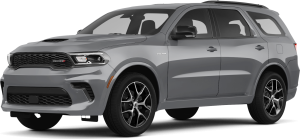
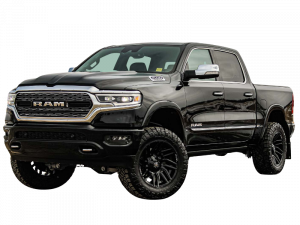
It’s not the right pick if you need three rows or serious towing, that’s Durango or truck territory, like our RAM 1500 lineup. If you were waiting on the smaller Hornet, read what happened to the Dodge Hornet in Canada. But for a redesigned muscle car you can have as a quiet EV or a turbocharged gas car, in a coupe or a sedan, the 2026 Charger covers more ground than any Charger before it.
Our team serving Edmonton and Sherwood Park can line up the Daytona and the gas Sixpack so you can feel the difference between electric and gas before you commit.
How Much Does a 2026 Dodge Charger Cost in Alberta?
Pricing depends on the powertrain, body style, trim, and current incentives, so the most accurate number is always the live figure on a specific car (Dodge Canada, 2026). The electric Daytona and the gas Sixpack carry different starting points, and configuration moves the number from there.
A few things worth knowing about Charger pricing in Alberta:
- The electric Daytona may qualify for incentives the gas model does not. EV eligibility changes, so it’s worth confirming what applies the week you buy.
- Freight, PDI, and fees are on top of the advertised vehicle price, as with any new vehicle.
- In-stock often beats a factory order on timing and current incentives, the units already on our lot carry the offers running that week.
Because pricing, inventory, and incentives move week to week, the honest answer to “what will mine cost out the door” is a quick conversation on a specific vehicle. See current Charger inventory and pricing here, or talk to our team for an exact, all-in number.
Frequently Asked Questions
Is the 2026 Dodge Charger electric or gas?
Both. Dodge offers the 2026 Charger as the all-electric Daytona and as a gas Charger powered by the twin-turbocharged “Sixpack” inline-six (Dodge Canada, 2026). You choose the powertrain that fits how you drive, whether you can charge at home, and how often you take long trips.
Does the 2026 Charger come in a two-door and a four-door?
Yes. For 2026 the redesigned Charger is offered in both a two-door coupe and a four-door sedan (Dodge Canada, 2026). The coupe leans into the classic muscle-car look, while the four-door adds rear-seat practicality for families, with the same aggressive Charger styling.
How far can the Charger Daytona go on a charge in winter?
The Daytona’s usable range drops in deep cold, like every EV, because cold batteries hold less charge and cabin heat draws energy. Expect less than the rated range on the coldest days. Charging at home overnight and preconditioning while plugged in keep it manageable for Alberta drivers.
Does the 2026 Dodge Charger have all-wheel drive?
All-wheel drive is part of the 2026 Charger lineup, which is a real advantage in Alberta winters (Dodge Canada, 2026). Pairing AWD with dedicated winter tires is the single best thing you can do for cold-weather traction, since AWD helps you get moving and winter tires help you stop.
How much does a 2026 Dodge Charger cost in Alberta?
Pricing depends on powertrain, body style, trim, and current incentives, and the electric Daytona may qualify for EV incentives the gas model does not. Freight, PDI, and fees are additional. See current Charger inventory for live pricing, or contact us for an exact out-the-door figure on a specific vehicle.