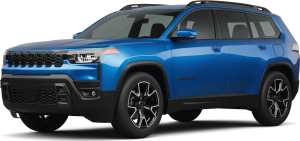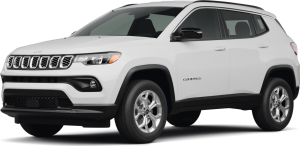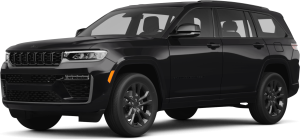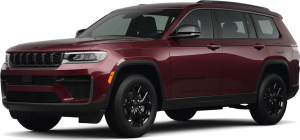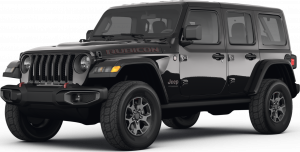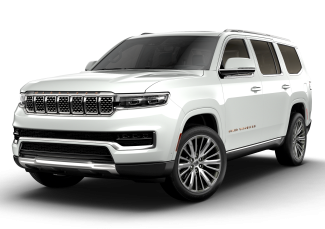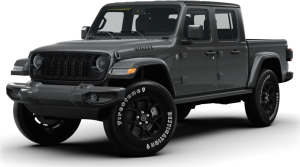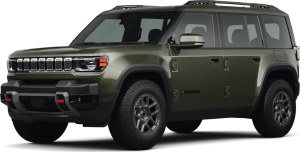

The short answer: the Jeep Wrangler and the Jeep Gladiator share the same legendary off-road DNA, but the Gladiator is the pickup-truck version. It takes the Wrangler’s body, stretches the frame, and adds a 5-foot cargo bed, which gives it more towing and payload. The Wrangler stays shorter, which makes it more agile on a trail and easier to live with day to day (Jeep Canada, 2026).
For an Edmonton-area buyer, that one difference, bed or no bed, drives almost everything else. If you haul sleds, dirt bikes, lumber, or a quad, the Gladiator earns its keep. If you mostly want a winter-capable, trail-ready SUV that parks easily and crawls rocks a little better, the Wrangler is the pick. This guide breaks down the real differences, the specs that matter, and which one fits how Albertans actually drive.
Key Takeaways
- The Gladiator is the Wrangler’s pickup sibling: same off-road platform, plus a 5-foot bed and higher towing and payload (Jeep Canada, 2026).
- The Wrangler is shorter, so it has a better departure angle and is more nimble on tight trails and in city parking.
- The Wrangler offers a 4xe plug-in hybrid, which can run on electricity for the commute, then act as a normal Jeep on a weekend trip; the Gladiator is gas-only for 2026 (Jeep Canada, 2026).
- Both come with serious 4x4 hardware for Alberta winters; proper winter tires still matter more than the badge.
Watch: How to take the doors off a Jeep Wrangler & Gladiator
What’s the Real Difference Between the Wrangler and Gladiator?
The Jeep Gladiator is, at its core, a Jeep Wrangler with a pickup bed grafted on. They share the same front end, the same removable doors and roof, and the same solid-axle 4x4 architecture, but the Gladiator rides on a longer wheelbase and adds a 5-foot steel cargo box (Jeep Canada, 2026). That single change is what separates a capable SUV from a capable mid-size truck.
Think of it this way. The Wrangler is the trail toy and daily driver. The Gladiator is the trail toy that can also haul a load of gravel or tow a trailer to the lake. Everything they share, the iconic looks, the open-air freedom, the legitimate rock-crawling hardware, stays the same. What changes is the back half of the vehicle, and that back half decides which one is right for you.
Browse our in-stock Jeep Wrangler inventory or see the Jeep Gladiator lineup to compare what’s on the ground right now at Sherwood Dodge.
How Do the Specs and Capability Compare?
On paper, the two Jeeps line up closely on power and 4x4 hardware, then split on the practical numbers: the Gladiator tows and hauls more because of its truck frame, while the Wrangler is shorter and lighter, which helps it on tight trails (Jeep Canada, 2026). Here is how the headline figures stack up.
| Spec | Jeep Wrangler | Jeep Gladiator |
|---|---|---|
| Body style | 4-door SUV | 4-door mid-size pickup |
| Cargo bed | None (enclosed cargo area) | 5-foot steel bed |
| Max towing | Lower of the two | Up to 3,493 kg (7,700 lb) when properly equipped |
| Max payload | Lower of the two | Up to about 780 kg (1,720 lb) |
| Departure angle | Better (up to 40.4° on Rubicon, shorter rear overhang) | Lower (around 26°, reduced by the bed/longer frame) |
| 4x4 hardware | Solid axles, available lockers | Solid axles, available lockers |
| 4xe plug-in hybrid | Available | Not offered (gas-only for 2026) |
The powertrains share a common base. Both Jeeps run the 3.6L Pentastar V6 (285 hp and 260 lb-ft in the Gladiator), and the available 4x4 systems, including front and rear locking differentials on the top off-road trims, carry across both models. The difference is electrification: the Wrangler adds a 4xe plug-in hybrid four-cylinder, while the Gladiator is gas-only for 2026 (Jeep Canada, 2026).
Where they diverge is geometry. The Gladiator’s longer wheelbase and rear overhang give it more bed and more capability, but they also cut into its departure angle, the steepness of an obstacle it can climb away from without dragging the tail. The shorter Wrangler keeps a cleaner departure angle, which is one reason it feels more agile on a rocky, technical trail.
Which One Is Better for Towing and Hauling?
The Gladiator wins this one, and it isn’t close: as the pickup-truck version of the Wrangler, it offers a higher maximum towing rating and a higher payload, plus a 5-foot bed the Wrangler simply doesn’t have (Jeep Canada, 2026). If your weekends involve a trailer or a bed full of gear, the Gladiator is built for it.
In Alberta terms, that bed matters more than a spec sheet suggests. A Gladiator can carry a couple of sleds or dirt bikes, a load of firewood for the cabin, or the gravel and lumber for a backyard project, then tow a utility trailer or a small boat on top of that. The Wrangler can tow a light trailer, but with no bed and a lower rating, it isn’t the hauler the Gladiator is.
That said, plenty of buyers don’t need a bed at all. If your “hauling” is groceries, hockey bags, and the occasional IKEA run, the Wrangler’s enclosed, weather-protected cargo area is more practical than an open box, and you skip the length you’d otherwise be parking. Be honest about how often you’d actually use a bed. If the answer is “a few times a year,” the Wrangler may be the smarter buy.
Towing regularly? Our team serving Edmonton and Sherwood Park can walk you through the right Gladiator trim and the towing package that matches your trailer.
Which One Is Better Off-Road Near Edmonton?
Both are among the most capable factory off-roaders you can buy, but the shorter Wrangler has a small edge on tight, technical terrain thanks to its better departure angle, while the Gladiator trades a little agility for the ability to carry more gear to the trailhead (Jeep Canada, 2026). For the kind of off-roading you’ll find within driving range of Edmonton, that distinction is real but rarely a dealbreaker.
The off-road areas around the Edmonton region, the trails and OHV zones in the foothills and Crown land to the west, plus the mud, gravel, and approach angles of any random back road, suit both Jeeps well. The Wrangler’s compactness helps when a trail gets narrow, rutted, or steep at the exit. The Gladiator’s longer wheelbase actually makes it more stable on fast gravel and gives you somewhere to throw recovery gear, a cooler, and camping kit.
Here’s the honest take: most weekend wheelers will never reach the limit of either vehicle. The decision usually comes back to the bed. Get the Wrangler if you want maximum trail agility and an easier daily footprint. Get the Gladiator if you want to bring more stuff and don’t mind the extra length where the trail tightens up.
Which Is Better for Daily Alberta Driving and Winter?
For everyday Edmonton driving, the Wrangler’s shorter length makes it easier to park and manoeuvre, while both Jeeps handle winter well thanks to standard 4x4 and the option to add the 4xe plug-in hybrid for cheaper commuting (Jeep Canada, 2026). Neither is a soft crossover, but both are genuinely winter-capable when you pair them with proper tires.
The 4xe plug-in hybrid is worth a serious look for a commuter. On a full charge it can run on electricity alone for short trips, the drive to work, the school run, errands around Sherwood Park, and the gas engine takes over for longer drives or when the battery runs down (Jeep Canada, 2026). You get EV-style daily running costs with zero range anxiety on a weekend trip to the mountains.
What about the cold and the 4xe battery?
Two honest notes for Alberta winters. First, like every plug-in hybrid and EV, the 4xe’s electric-only range drops in deep cold, cold batteries hold less charge and cabin heat draws from the pack, so what you see at minus 25 will be below the rating. The difference: the gas engine simply runs when the battery is low, so you’re never stranded.
Second, the thing that helps you stop on ice isn’t the badge or the drivetrain, it’s the rubber. Budget for a dedicated set of winter tires on whichever Jeep you choose, and use a block heater when overnight lows drop below roughly minus 20. Both models have the 4x4 hardware to get you moving; winter tires are what get you stopped.
So Who Should Pick Which?
It comes down to one question, do you need a bed? The Gladiator is the right call for buyers who haul or tow regularly and want truck utility with full Wrangler off-road credibility; the Wrangler is the right call for buyers who want the most agile, easiest-to-park version of that same capability (Jeep Canada, 2026).
Here’s the short version:
- Choose the Jeep Gladiator if you haul sleds, bikes, lumber, or gear, tow a trailer or boat more than occasionally, or simply want a truck bed plus legitimate trail ability.
- Choose the Jeep Wrangler if you want maximum off-road agility, an easier daily footprint, a weather-protected cargo area, and the lowest entry point into the Jeep family.
- Either way, consider the 4xe if you have a predictable commute and can plug in at home, the plug-in hybrid can take a real bite out of your fuel bill on both models.
The best way to decide is to stand next to both. Browse our Jeep Gladiator inventory and our Jeep Wrangler lineup at Sherwood Dodge, or talk to our team about which one, and which current incentive, fits how you actually drive.
How Much Do the Wrangler and Gladiator Cost in Alberta?
The Jeep Wrangler is the more affordable starting point of the two, with the Gladiator’s truck capability stepping up from there (Jeep Canada, 2026).
A few things worth knowing about pricing on these two in Alberta:
- The 4xe plug-in hybrid may qualify for incentives the gas models do not. PHEV eligibility changes, so confirm what applies the week you buy.
- Freight, PDI, and fees are on top of the advertised vehicle price, as with any new vehicle.
- Trim drives the number. Both Jeeps span a wide range, from value 4x4 trims up to top off-road and luxury packages, so the most accurate figure is the live MSRP on the exact unit you want.
Because pricing, inventory, and incentives move week to week, the honest answer to “what will mine cost out the door” is a quick conversation on a specific vehicle. See current Gladiator inventory and pricing or our Wrangler inventory, or talk to our team for an exact, all-in number.
Frequently Asked Questions
What is the difference between a Jeep Wrangler and a Jeep Gladiator?
The Gladiator is the pickup-truck version of the Wrangler. They share the same off-road platform, removable doors and roof, and 4x4 hardware, but the Gladiator adds a longer frame and a 5-foot cargo bed, which gives it higher towing and payload. The Wrangler is shorter, so it’s more agile on a trail and easier to park (Jeep Canada, 2026).
Does the Jeep Gladiator tow more than the Wrangler?
Yes. Because the Gladiator is built on a longer truck frame, it offers a higher maximum towing rating and higher payload than the Wrangler, plus a 5-foot bed the Wrangler doesn’t have. If you tow a trailer or boat, or haul gear regularly, the Gladiator is the more capable hauler (Jeep Canada, 2026). Confirm exact figures on a specific trim.
Which is better off-road, the Wrangler or the Gladiator?
Both are extremely capable. The shorter Wrangler has a small edge on tight, technical trails thanks to a better departure angle, while the Gladiator trades a little agility for the ability to carry more gear and stay stable on fast gravel. For most weekend off-roading near Edmonton, either will far exceed what the driver asks of it (Jeep Canada, 2026).
Is there a plug-in hybrid Wrangler or Gladiator?
Both models offer the 4xe plug-in hybrid. It can drive on electricity alone for short trips, then runs on the gas engine for longer drives, so you get lower daily fuel costs with no range anxiety on a weekend trip. Like any EV or PHEV, electric range drops in deep Alberta cold, but the gas engine always covers the rest (Jeep Canada, 2026).
Are the Jeep Wrangler and Gladiator good in Alberta winters?
Yes. Both come with serious 4x4 hardware and a high ride height that handle snow and slush well. The single most important upgrade for cold-weather safety is a dedicated set of winter tires, which improve traction and shorten stopping distances on ice. A block heater is also worth using during deep cold snaps.